A Card Game with a Clear Finishing Goal
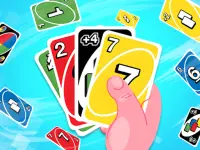
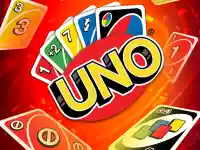
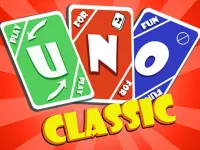
The linked Scuffed Uno example asks you to empty your hand before the other players. It is described for two, three or four players. Use the left mouse button to choose cards, matching the color or number of the current discard. If you have no playable card, the instructions say to draw until you have one. This gives each turn a concrete question: which available match leaves a useful hand afterward? A number match can change the active color, while a color match can change the number.
For a hypothetical example, a red seven can be followed by a red two or a blue seven. The red two keeps red active; the blue seven changes the color to blue. A blue nine matches neither the color nor number of that original red seven. Checking examples this way helps you distinguish a legal choice from a merely appealing one. Other card titles may present different interfaces or conditions, so check the selected title before transferring these rules to it.
Actions Add Turn-Order Decisions
In Scuffed Uno, Skip makes the next player miss a turn, Reverse changes the direction, and Draw Two makes the next player draw two cards and miss a turn. Wild lets you choose the next color. Wild Draw Four lets you choose the color and makes the next player draw four cards. Identify who is next before deciding what an action will accomplish. A nearby opponent is not always next once direction changes. These documented effects do not establish extra house rules about stacking penalties or challenging another player's move.
The one-card declaration is another specific rule: press UNO when one card remains, or receive two penalty cards. This is separate from choosing a color or matching a number. Check your hand size after a play so the declaration becomes part of your turn routine. Reaching one card does not guarantee that the last card will match when your turn returns. Other players can change the discard, so keep reading the table even when you are close to finishing.
Recognize Other Kinds of Matching
The collection also contains games whose matching happens on a board rather than in a hand of cards. A number puzzle may ask you to combine values; a pair-matching activity may ask you to recognize corresponding objects. These demand different observations from watching turn order in Scuffed Uno. Before starting, identify the pieces you can move or select, the goal shown by the game and any stated restrictions. Do not assume that a familiar number or color means the same rule applies across all the entries.
Choose between Planning and Movement
Driving and sports entries also appear among this collection's visible cards. They offer a change from comparing a hand with a discard pile, but their exact controls and objectives belong to their own instructions. Decide whether you want to make choices between turns, study a board or respond while something moves. That comparison is useful when choosing a session. It does not imply that every puzzle is untimed or every action game has the same pace. Check the chosen game for its actual conditions.
Build a Useful First Session
For Scuffed Uno, begin by recognizing legal matches and remembering the declaration. Add attention to direction changes once those feel manageable. When several cards are playable, compare the colors and numbers left after each possible move. These are suggested practice habits, not hidden features. The Scuffed Uno decision guide develops those comparisons with hypothetical hands. When switching to another collection entry, read its controls afresh and choose a goal that belongs to that game. This lets you explore the mixed collection without carrying card rules into a puzzle, race or other unrelated activity.