What Snake Nokia Classic Offers
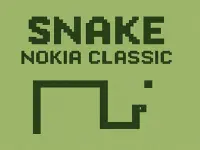
Snake Nokia Classic places a pixelated snake on a glowing green grid and asks you to eat food so the snake grows longer while avoiding collisions with itself. Movement is controlled with WASD or the arrow keys. The appeal lies in the straightforward premise: the rules are easy to understand, but the space your body occupies increases with every item collected, so the difficulty comes from managing that growth. If you enjoy games where a simple control scheme supports increasingly careful decisions, this title is a reasonable place to start. You can reach it directly through the Snake Nokia Classic link.
The stated goal provides a clear starting point for a short attempt, while the changing body shape gives you something to keep observing. The main variable you manage is your own length: a longer snake blocks more of the grid and limits which routes remain open. If that kind of gradual pressure appeals to you, this game is likely to be a good fit. If you prefer titles with elaborate settings or many distinct modes, you may find the experience too minimal, and the rest of this collection may offer something closer to your taste.
How the Rest of the Collection Differs
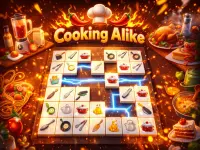
The oki ac label covers several kinds of activity. Cooking-themed cards appear alongside puzzles, action, sports and vehicle themes. That makes the individual objective more useful than the page label when choosing an entry. A preparation-themed activity may ask for selections or a sequence, while a movement task asks you to control a position in the current scene. Read the actual instructions before assuming how either works. A shared theme or neighboring thumbnail does not establish a timer, a specific input or a level structure.
The non-cooking cards broaden that choice further. A board-style activity can ask you to compare positions, while an action card may emphasize movement or responding to a changing scene. A vehicle theme may involve steering, and a sports theme may involve an aim or timing task. Those are distinctions to check in each game's description, not promises of uniform mechanics. If you want a specific grid-based self-avoidance challenge, the linked snake example gives you a clear option without requiring every card on this page to resemble it.
Matching a Game to Your Available Time
Choosing among these titles can depend on the attention you want to give the session. The linked snake game uses directional keys and asks you to follow a growing body through the grid. That may suit a player who enjoys steering while continuously inspecting space. A preparation or puzzle activity can offer a different task, but its actual pace and completion conditions should be read individually. Do not assume it is untimed or that a partially completed activity can be saved just because its theme appears quieter.
For players who want variety within a single sitting, it can help to alternate between a movement-based game and a task-based one. Starting with a quick grid run and then switching to a cooking or puzzle title keeps the experience from becoming repetitive. Conversely, if you prefer to settle into one style, choosing several games with similar pacing may feel more coherent. Neither approach is better; the right choice depends on whether you want consistency or contrast during your session.
Considering Controls and Interaction Styles
Control schemes vary across this collection, and that difference can shape which games feel comfortable. Snake Nokia Classic uses WASD or the arrow keys, a familiar scheme for players accustomed to keyboard-driven movement. Games centered on preparation or turn-based decisions may rely more on selection and timing than on continuous directional input. If you have a preference for one style over the other, it is worth noting that before you start, since switching between very different control approaches mid-session can feel jarring.
A practical suggestion is to try one keyboard-driven title and one selection-driven title early on, then decide which interaction style you enjoy more. If rapid steering feels satisfying, the grid-based game is a natural fit. If you prefer deciding what to do next with a different pace or input style, a puzzle or preparation game may suit you better. This comparison is a way to narrow your options, not a ranking of which style is superior.
Setting Expectations Before You Start
Because this label covers unrelated games, it is reasonable to expect differences in visual style, pace, and objective from one title to another. Some games may emphasize quick reactions; others may focus on planning or sequencing. Snake Nokia Classic, for instance, centers on continuous movement and self-avoidance, while a cooking title may center on following a series of steps. Knowing this in advance prevents disappointment when a game does not match the feel of the last one you tried.
It also helps to remember that availability within a collection does not guarantee a particular game will appear in the first set of cards you see. Snake Nokia Classic is reachable through the direct link provided above, and you can use that link whenever you want to return to it. If you would like a longer discussion of route choices and practice ideas, the guide covers those topics in more detail. With that context, you can choose a game that matches your current mood, the time you have available, and the kind of interaction you enjoy most.