2048 Poki Games










Start by deciding whether you want to combine numbers or solve a different kind of puzzle. The 2048 poki collection includes number-merging themes alongside memory, picture assembly, sorting, escape, movement and creative entries. These activities do not share one rule set. The directly linked example below has an equal-number objective; the surrounding cards may ask you to arrange, remember, move or choose something else. Read the individual explanation before deciding which activity fits your session.Which Numbers Can Form a Pair?In 2048 Classic, you…Learn moreLatest update
Start by deciding whether you want to combine numbers or solve a different kind of puzzle. The 2048 poki collection includes number-merging themes alongside memory, picture assembly, sorting, escape, movement and creative entries. These activities do not share one rule set. The directly linked example below has an equal-number objective; the surrounding cards may ask you to arrange, remember, move or choose something else. Read the individual explanation before deciding which activity fits your session.
Which Numbers Can Form a Pair?
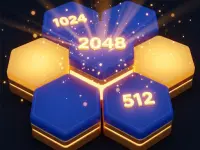
In 2048 Classic, you slide squares and combine equal numbers to double the matched value, working toward 2048. Two 64 tiles can become 128; a 64 and a 128 are not an equal pair. Checking equality before thinking about a larger result keeps the basic rule clear. The listed controls include arrow keys, mouse and touch input. Follow the game’s own displayed instructions for the input you are using, then inspect how the board changes after an action.
A useful hypothetical exercise begins with two twos and one four. The twos can produce a four, leaving a potential match between two fours. Those could later produce an eight if the positions permit it. This describes separate equal-value merges, rather than a promise that one directional input completes the sequence. The arithmetic explains what a match produces; the arrangement determines which opportunities you can actually pursue. Treat both parts as necessary when deciding what to do next.
Choose a Small Planning Question
Before acting, name the pair you are considering and what its result would help you do. If a 32 is already present, creating another 32 could give you a useful next target. That does not establish that the required pieces will arrive or that the current route is open. Read the visible position and revise the plan when its requirements are unavailable. A clear small question is easier to check than a vague intention to make the biggest possible number immediately.
Other Boards Need Their Own Matching Rules
Sorting, block and matching themes appear among the collection’s cards, but a shared board-like appearance does not establish the doubling rule from Classic. A sorting game may organize pieces according to its own conditions; a picture-matching activity may ask you to recognize corresponding images. Read what counts as a valid move and what marks completion in the selected game. Do not assume that every match creates a larger number, that every board uses the same dimensions or that every puzzle has the same pace.
Picture Assembly and Memory
Jigsaw and memory themes offer another kind of decision. One points toward assembling an image, while the other suggests remembering where matching information appears. Their actual piece counts, controls and timing belong to the individual entry. If you would rather compare pictures than calculate a doubled value, inspect those cards for a suitable starting point. The useful distinction is the task you want to concentrate on, rather than the presence of a familiar number or visual theme somewhere in the collection name.
Movement and Creative Breaks
Driving, adventure and makeover themes also occur among the visible choices. These can offer a change from studying a number board, but their titles do not establish a shared input scheme or a particular set of features. Check what the game asks you to control or create before starting. If your intention is a short puzzle session, a movement or styling activity may serve a different purpose. Choose it deliberately for that activity instead of expecting it to behave like a variation of 2048.
Compare a Sequence with Its Result
The merge-order comparison guide works through hypothetical number chains and distinguishes their arithmetic from the position on the board. You can use one chain as a practice question: identify an equal pair, calculate the doubled value, then check the actual arrangement after acting. A merge combines two pieces into one, but inspect the whole board before assuming how much space is available next. If you switch to another collection entry afterward, start again with that game’s own objective and move conditions.