 poki.com.es
Poikj Games


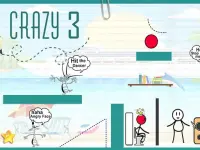



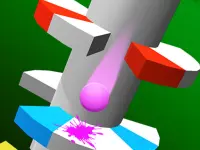















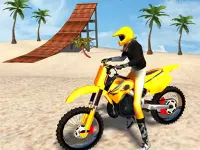


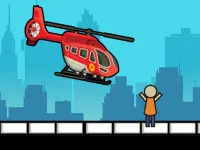




Playing poikj games requires fast reflexes and simple inputs for arcade-style action. Usually the player controls a character or object moving through a single screen or scrolling field. These arcade action games use basic taps or clicks to start, stop, or change direction instantly. Getting Started: poikj games Quickly tap or click to move, dodge obstacles, and collect items while the game runs automatically, keeping the action constant. What To Expect These games feature continuous movement where the player avoids obstacles and aims for high scores…Learn moreLatest update
Playing poikj games requires fast reflexes and simple inputs for arcade-style action. Usually the player controls a character or object moving through a single screen or scrolling field. These arcade action games use basic taps or clicks to start, stop, or change direction instantly.
Getting Started: poikj games
Quickly tap or click to move, dodge obstacles, and collect items while the game runs automatically, keeping the action constant.
What To Expect
These games feature continuous movement where the player avoids obstacles and aims for high scores through sustained play. The core mechanic often involves timing and precision to navigate between hazards and targets. Expect simple graphics and immediate feedback for every action taken by the player. This style of endless runner games and casual arcade games provides constant, low-commitment sessions.
Quick Strategy
Focus on timing your movements to avoid obstacles and maintain a steady collection path. Keep your attention on the immediate path ahead and react only to visible threats. Use short, controlled inputs to navigate tight spaces and extend your play time effectively.
poikj Games FAQ
Q: What are the typical controls? A: Tap or click to move, with no complex input methods required.
Q: What is the main objective? A: Avoid obstacles and achieve the highest possible score.
Q: Is there a specific story? A: Not stated, the focus is on pure arcade action.
Q: What is the core mechanic? A: Continuous movement with timing-based obstacle avoidance.