







The Ninja Arashi collection brings together ninja-themed action, running, platforming and other activities. The shared theme does not make every card part of one series. Use this page to choose the kind of challenge you want, then check the selected game's own controls and objective before starting. Start with the rescue adventure The exact Ninja Arashi game is a platformer with RPG elements in which Arashi fights to save his kidnapped son from Orochi. Traps and enemies form part of that journey, and the listed inputs include movement, two attacks and…Learn moreLatest update
The Ninja Arashi collection brings together ninja-themed action, running, platforming and other activities. The shared theme does not make every card part of one series. Use this page to choose the kind of challenge you want, then check the selected game's own controls and objective before starting.
Start with the rescue adventure
The exact Ninja Arashi game is a platformer with RPG elements in which Arashi fights to save his kidnapped son from Orochi. Traps and enemies form part of that journey, and the listed inputs include movement, two attacks and hiding. This gives the game a different focus from choosing a title solely for its ninja artwork: you are combining movement with decisions about when and how to engage.
For this hosted version, WASD is listed for movement, J for Attack 1, K for Attack 2 and L for Hide. Begin with those controls and read further prompts inside the game. Do not transfer a mobile edition's button layout or assume that familiar action-game shortcuts apply. Likewise, a hide command does not by itself establish immunity, a pause effect or safe movement through every hazard. Learn its behaviour before making it essential to a route.
Compare movement with combat
Think first about what you want to spend time doing. A platforming session asks you to read a route and the space where a movement ends. Combat adds another decision: which known action fits the situation once you are there? If that combination appeals to you, Arashi provides a clear example. If you prefer a different pace, inspect another card's description rather than assume it uses the same movement or attack system.
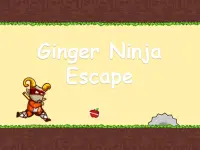
The visible selection includes labels connected with running, escape and other ninja activities. Those names are starting points for browsing, not proof of specific mechanics. An escape-labelled entry might interest someone looking for a different type of problem, but the title alone does not verify its puzzles or controls. Read what the individual page says and let the opening screen establish the task. This avoids expecting every ninja-themed game to be a combat platformer.
Choose a practice goal you can observe
If you start with Arashi, choose one skill to examine during an attempt. Reading the next landing space is a useful movement focus. Distinguishing the visible effects of J and K is a useful control focus. Noticing whether you acted before understanding a threat is a useful decision focus. These are suggested ways to organize play, rather than special modes or achievements that the game promises.
After a mistake, describe what happened before assigning a cause. Reaching the wrong position is different from choosing an attack too soon. Keeping those observations separate helps you decide what to change next. It also prevents an uncertain result from turning into a rule you apply everywhere. Try one adjustment when a comparable situation appears and see whether it improves your control.
Read each entry on its own terms
A shared character type does not establish shared progress, difficulty or story. This collection is useful for finding a ninja theme, while the individual pages explain what you can actually play. Check whether a selected entry emphasizes movement, direct action or another activity, and look at its input requirements before choosing it for a particular device. Do not infer touch support from a neighbouring card or from the collection name.
There is also no reason to treat the card order as a progression through Arashi's adventure. Moving to another title can mean beginning a different game with different rules. Choose that change because you want another kind of activity, not because you expect it to continue the previous game's progress. When you want to stay with the rescue platformer, return to its exact page rather than relying on similar names.
Make your next selection deliberate
For a deeper discussion of routes, attacks and the limits of assumptions about hiding, read the Ninja Arashi guide. Then choose one question for your next attempt: where should the movement end, which action do you understand best, or what changed just before the last mistake? If you choose a different card instead, begin again with its own objective and controls. That small check makes the variety in this collection easier to use.