Battle Games










The Battle collection covers several kinds of conflict and competition, including action, shooting, defence, puzzles and other uses of the word battle. It is a broad browsing collection, so two adjacent cards can ask for very different skills. Choose the activity you want before assuming that all entries use the same controls or combat rules. A Physics Puzzle as a Direct Example Javelin Battle is an available same-site example of a spear-throwing physics puzzle with 2D stickman characters. Normal Mode asks you to eliminate incoming enemies at each level…Learn moreLatest update
The Battle collection covers several kinds of conflict and competition, including action, shooting, defence, puzzles and other uses of the word battle. It is a broad browsing collection, so two adjacent cards can ask for very different skills. Choose the activity you want before assuming that all entries use the same controls or combat rules.
A Physics Puzzle as a Direct Example
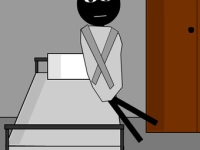
Javelin Battle is an available same-site example of a spear-throwing physics puzzle with 2D stickman characters. Normal Mode asks you to eliminate incoming enemies at each level. Mouse click or tap is the listed input. The useful decisions concern both aim and target order: choosing a sensible opponent does not help if the throw misses, while a well-aimed throw can still leave a more urgent threat unanswered.
Two details distinguish this example. The game description recommends targeting enemy spearmen on platforms first. It also states that destroying an infantry enemy's shield causes that enemy to run toward you quickly. Together, those rules make it useful to read the screen before throwing and to reassess when a shield breaks. Skills can increase abilities and power, but read the effects actually offered instead of assuming that a particular upgrade or aiming aid exists.
Separate Aiming from Fast Action
If you want to consider a projectile and a target order, the physics-puzzle example provides a focused starting point. If you would prefer a different kind of action, inspect the other visible cards and read their descriptions. A shooter-labelled entry, a brawler and a spear puzzle should not be treated as interchangeable merely because all involve opponents. Their control demands can differ substantially.
Before beginning, identify what you control and how the game describes its objective. Then check whether the challenge is primarily about choosing an action, moving a character or responding to changing threats. These questions help you choose a session that fits your interest. They do not imply that every battle game offers a quiet planning interval, or that a physics puzzle never creates time pressure.
Defence and Strategy Labels Need Their Own Check
The visible list includes titles labelled around defence, tanks, war and other conflicts. Those labels can help narrow your browsing, but they do not verify resource systems, unit placement, base construction or a particular match structure. Open the relevant description before expecting any of those features. A battlefield picture alone is not enough to tell you what decisions the game will ask you to make.
When a game does present several choices, read their stated effects before selecting one. In the javelin example, this means looking at the actual skill options and connecting one with your present difficulty. Apply the same reading habit to another title, while leaving its rules separate. Experience with target priority may help you ask useful questions, but it does not establish another game's enemy behaviour.
Other Uses of Battle
This collection also contains names associated with racing, idle play and other activities beyond direct fighting. The word battle can describe a contest or theme without establishing a weapon-based objective. That makes the collection useful for variety, provided that you assess each card on its own terms. Do not assume that similarly named titles share progress, multiplayer access or character abilities.
A practical browsing sequence is to choose a type of activity, read the exact objective, and check the inputs. If the first selection does not fit what you wanted, use that information to refine the next one. Someone looking for deliberate aiming will make a different choice from someone looking for movement-heavy action. The collection's range gives you alternatives without imposing one preferred way to play.
Use One Clear Question During Play
In Javelin Battle, you might ask whether a missed opportunity came from aim or target order. Keep those two problems separate while learning. Watch the result of a throw, reassess a rushing enemy, and read a skill before choosing it. The Javelin Battle guide explains this approach with a hypothetical encounter. For a different entry from the collection, begin with that game's own questions rather than carrying over the javelin rules unchanged.