
they are coming unblocked
 poki.com.es
Sign in to keep recently played games, favorites and your player profile available on this site.
Popular Games
Last Played
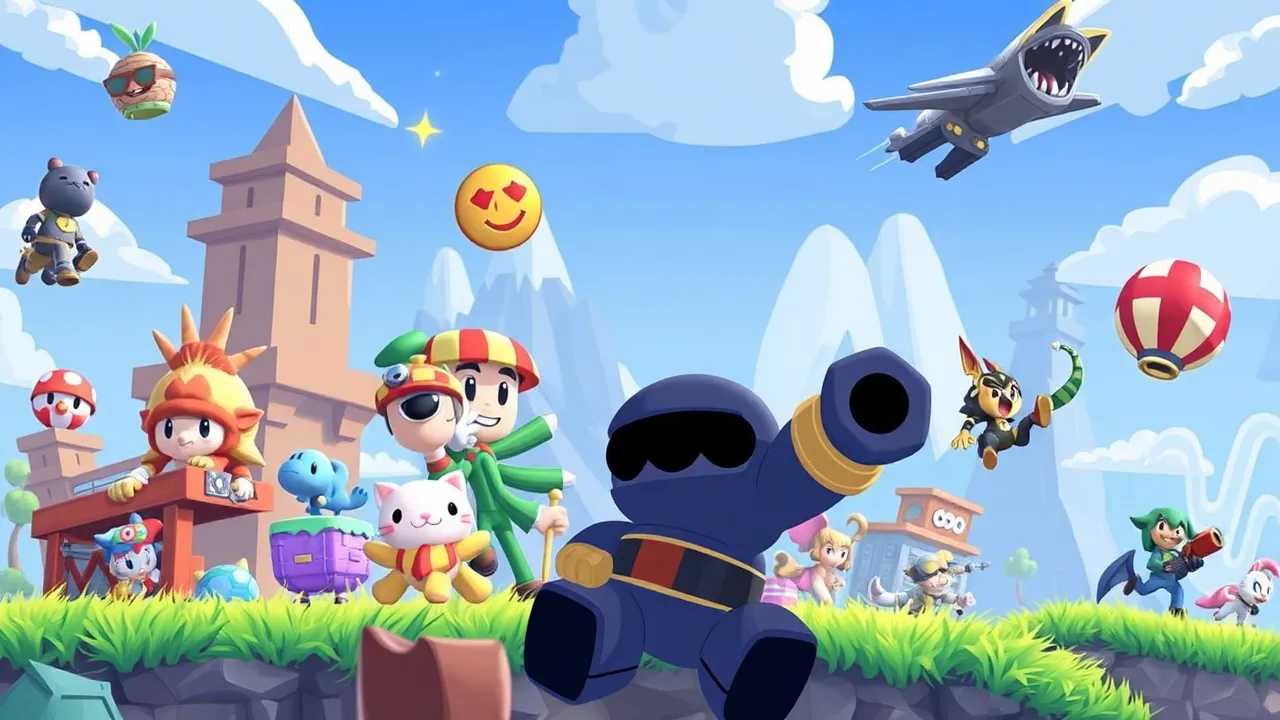
If you like instant play, quick load times, and a giant buffet of browser games that actually run on school laptops and low spec machines, you’re in the right lane. The scene keeps evolving, but the core idea stays simple, keep you playing with no fuss. Portals collect thousands of HTML5 titles, organize them so you can find the next obsession in seconds, and wrap everything in a clean UI that even your little cousin can navigate. That is exactly the vibe many players associate with poki•com, a shorthand people use when they’re talking about fast, free browser gaming and a familiar launchpad that feels like home the moment it opens.
Ask around and you’ll hear the same themes, instant launch, no account walls, and an interface that looks friendly on a phone and on a classroom Chromebook. The heart of the offer is discoverability. You land, you scroll, you click, you play. There’s usually a balance of single player time killers, skill games with leaderboards, and sandboxy toys that invite you to experiment. Tags, curated collections, and a surprisingly sensible search help you jump to categories like racing, puzzle, arcade, or cozy simulation. Kids, teens, and a decent number of adults use it during short breaks because it rewards quick sessions and does not punish you for quitting after two minutes. The recipe is convenience first, friction last.
Speed is not an accident. Modern browser portals lean on HTML5 and WebGL so games run directly in the browser, no plugins, no risky downloads. Asset bundling and compression get you from click to play in a few seconds for most titles, while progressive loading lets you start early and stream the rest in the background. Game pages are kept lightweight, less heavy JavaScript, fewer blocking calls, and image sprites where it makes sense. On flaky school Wi-Fi, this matters. If a site chokes during lunch, you bounce. If it loads, you stick. Portals live or die by that first five seconds.
The strongest categories are usually the ones that respect short attention spans. Endless runners and reflex games are perfect for five minute bursts. Physics puzzlers scratch the itch for clever solutions without overwhelming you with rules. Car and bike games deliver familiar controls and instant action. If you want deeper play, idle and management games keep progress between visits, so you can pop in, collect, upgrade, and log out. Multiplayer exists, sure, but casual solo experiences anchor the catalog because anyone can drop in with zero social friction. The more you browse, the more you realize the site acts like a friendly arcade attendant who keeps handing you one more token.
Most titles here are browser game builds. That means they run inside your browser using standards like HTML5 canvas, CSS, JavaScript, and WebGL. Touch input is a first class citizen, so phones and tablets are welcome. Controllers can work too if a game adds proper mapping. Saves often use local storage, and some games ask for permission to store slightly bigger chunks so your progress survives between sessions. You’ll occasionally see cloud saves through third party backends, but the baseline is, your progress lives right on your device, no setup required. That is why these portals feel lightweight compared to downloadable clients.
People want simple guardrails. Good portals keep their layout clean of misleading buttons, separate game canvas from ads, and avoid pop ups that hijack the screen. Pages get scanned and served over HTTPS. Games launch inside sandboxes that wall off sensitive browser features. Responsible ad networks reduce the chance of sketchy creatives. Schools often whitelist domains that behave predictably, which is why you sometimes see these portals recommended as a better alternative to random download sites. Parents appreciate the visibility, nothing installs, nothing hides in the tray, everything closes when you close the tab.
International audiences want familiar language, familiar payment methods for optional perks, and catalogs shaped by local tastes. Spanish speaking players, for example, can browse tags, categories, and content in their language without feeling like they’re fighting the UI. If you’re exploring Spanish selections right now, this tag hub is a tidy place to start, discover curated games in Spanish. It shows how regional sites keep the same overall feel while tuning the edges for local players. The best part, you still get fast loads, clear navigation, and consistent icons, so you never feel lost.
Fairness matters in casual gaming because you do not always have time to grind. Good portal games ease you in with big hitboxes, chill timers, and clear checkpoints. Physics puzzles show you the rule set early, then stack complexity. Endless runners match speed to your current score so the jump from easy to hard feels gradual. Racing titles offer forgiving drift angles and brakes that actually save you from a crash. When failure happens, restarts are instant, which is the difference between rage quitting and one more try. That loop is not accidental, it is the craft of designers who know how to keep you in flow.
Portals cultivate habits through tiny choices. Persistent play buttons follow you down the page. Recommendations remix based on your latest clicks. Recently played lists sit near the fold so you can jump back into a comfort game. Thumbnails are consistent, so your eyes learn the silhouette of favorite series without reading a word. Even microcopy helps, labels say Play, Retry, or Continue, not vague verbs like Execute. That polish hides complexity and keeps the focus where it belongs, on the game canvas.
Plenty of people play on Chromebooks hooked to school networks. That means low power CPUs, small RAM budgets, and aggressive throttling. HTML5 works here because it meets those constraints. Games target 30 frames per second on older hardware, and drop fancy post processing when the device gets warm. Touch controls scale up buttons and move them away from corners so thumbs do not fight the bezel. If you are a teacher allowing free time on devices, that combination of safe pages and modest hardware demands keeps things sane in a shared environment.
Replayability in casual spaces often comes from clear feedback and small surprises. Fruit slicers add rare golden items that pop up just enough to feel special. Platformers add secret routes that reward curiosity. Tycoon games trickle upgrades at a steady pace so thirty minutes always nets you one meaningful jump. Games that miss the mark usually hide information, punish failure with long reloads, or bury the fun under complex interfaces. Portals watch what people actually play longer than five minutes, then surface that content more prominently. The timeline keeps evolving, and the catalog quietly adjusts to what you enjoy.
Every big catalog faces lookalikes. Smart curation focuses on originality or on execution so tight that it outshines the crowd. If a physics puzzler clones a classic, the better version gets boosted if it offers cleaner art, better touch handling, or smarter level design. Poor copies sink on their own because players close them after sixty seconds. That feedback loop is useful, it protects your time. Portals also retire broken builds or games that cause browser warnings, which is a quiet but important part of keeping things smooth for everyone.
Casual games benefit from accessibility by default. Colorblind friendly palettes help you spot hazards and items. Subtitles and icon hints communicate without relying on audio. Adjustable volume sliders let you mute quickly in a classroom. High contrast UI modes help on washed out monitors. None of this breaks the vibe for anyone else, and it lets more people play comfortably, which is exactly what a mass market portal wants.
Not every session needs to feel like a ranked match. Casual portals keep progression soft. You beat your own score, you unlock a new skin, or you clear a page of levels in a puzzle pack. If you come back tomorrow, nothing is lost, you simply continue. That low pressure loop is perfect for short breaks and busy days. It respects your time, it respects your device, and it respects your bandwidth.
Parents want to know what their kids are tapping. Portals help by using clear age tags, by avoiding scary or confusing thumbnails, and by grouping content in predictable ways. Many of the biggest hits are cartoonish and readable from a distance, so you can glance across the room and know your kid is racing a car rather than navigating chat lobbies. Quick exit options and home buttons appear in the same corner across many titles, which makes it simple to leave if something looks off.
Free comes with ads, that is not news. The trick is to place them so they do not break the spell. Good design caps pre-roll lengths, avoids stacking back to back mid-rolls, and prevents misclick traps near the canvas. If you see a quick ad before a level starts, then five or ten uninterrupted minutes of play, you will probably accept that trade. If an ad hijacks the sound or stretches the screen, you will not. Portals that stick around get this right most of the time, because the alternative is churn.
Casual catalogs age better than you think. A sharp physics puzzler from five years ago can still feel perfect today because it is built on timeless rules. Simple art styles, strong silhouettes, and tight controls barely age at all. Portals resurface classics alongside new releases, and players who missed them the first time treat them as fresh. That mix keeps libraries feeling rich even if you only try a handful each week.
If you are supervising shared devices, a few tips keep things calm. Encourage kids to pick genres rather than specific titles, that way if a single game is blocked, they still find something fun in the same lane. Show them the restart and home buttons, which looks obvious but stops a lot of confusion. Remind them to close tabs when done, which frees memory on lower power machines. Finally, pin the site to the shelf or dock so they do not go hunting through search results. Small habits make a big difference in busy rooms.
Try this simple routine. Pick a category you already like, open three games in new tabs, give each one two minutes to hook you, keep the one that clicks, close the others, then repeat. Portals sort by popularity and fresh releases, but your taste might zig where the crowd zags. Sampling quickly beats reading blurbs for ten minutes, and it works especially well on tight break schedules.
If you are building your first casual title, think first load time, clarity of controls, and visual feedback on every action. Treat 30 FPS as a floor on older devices. Make your first minute delightful without tutorials. Keep sessions short and restart near instant. If your game shines in a browser with those constraints, everything else becomes easier. Portals notice because players notice.
What is poki•com in simple terms
It is how many players refer to an easy to reach browser gaming hub, a place where you click a thumbnail and play right away with no installs, no accounts, and a lot of choice.
Do these games work on school Chromebooks
Most of the time yes. Titles use HTML5 and WebGL, which run inside the browser. Network rules vary by school, so if a page is blocked that is a local policy, not the game itself.
Is it safe for kids
Reputable portals use HTTPS, ad quality filters, and clean layouts. As with any online activity, supervision still matters, but the environment is built to be predictable, which is why parents often prefer it to random download sites.
Why do some games load faster than others
Asset size and optimization. Small puzzle games might load almost instantly, big 3D racers move more data. Progressive loading helps you start early, but device power and Wi-Fi speed also play a role.
Can I play offline
Not usually. These are browser titles that load from the web. A few games cache assets after the first run, but a live connection is the norm.
Is there any cost
The base model is free with ads. Some games offer optional cosmetic purchases or remove ads for a fee, but you can play tons of content with zero spend.
What makes poki•com feel different from random game sites
Consistency. You get curated picks, steady performance, and a UI that stays familiar from page to page. That comfort lets you focus on the fun instead of fighting menus.
Conclusion
Casual browser gaming succeeds because it respects your time. You open a tab, you pick a game, and a minute later you are grinning at a perfect jump or a well timed drift. Portals that deliver that loop, day after day, earn a spot in your bookmarks. Whether you are sneaking a level on a Chromebook between classes, unwinding after work on a laptop, or passing a tablet to a kid on a road trip, the formula holds. Fast loads, clear controls, and a catalog that always has one more surprise waiting. That is the simple truth behind the ongoing appeal of modern browser game hubs.