they are coming unblocked
Popular Games
Last Played
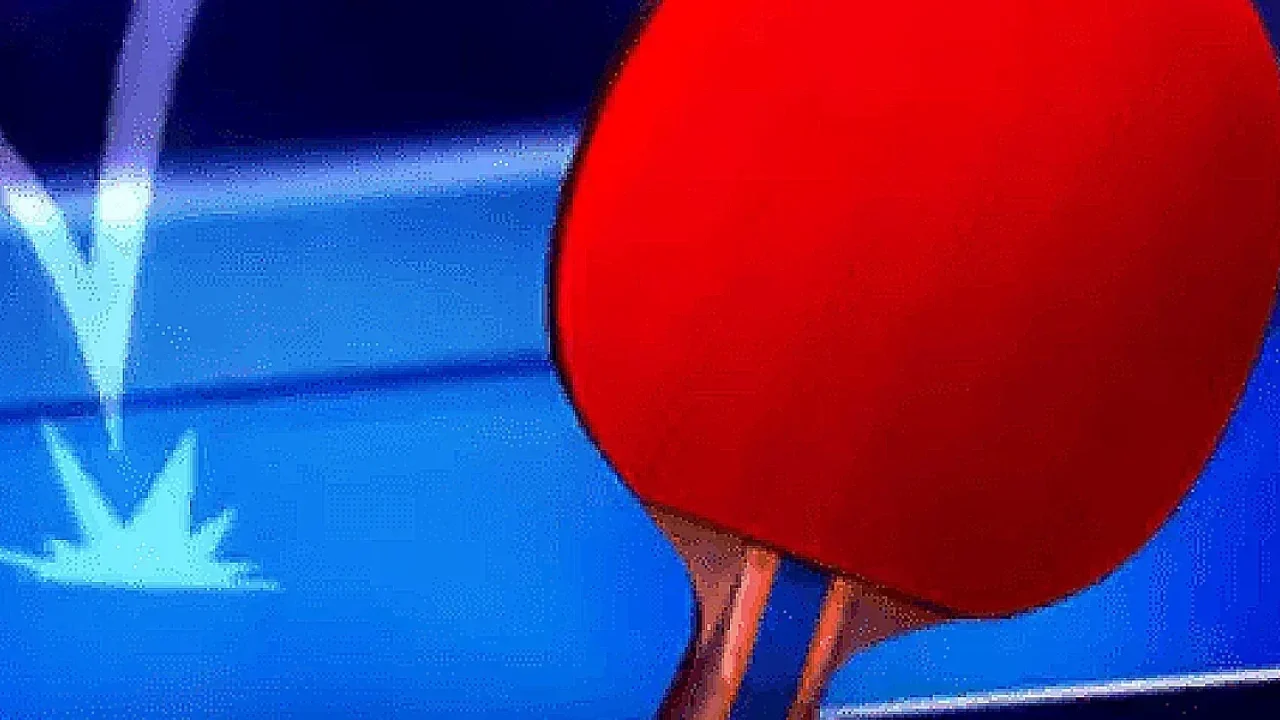
Keeping a rally alive and trying to win a point are different tasks. In a table-tennis game, you first need to read the incoming ball and make reliable contact. Only then does it make sense to think about placing a return where the opponent will struggle. Trying to force a spectacular winner before you understand the paddle response usually produces short rallies and very little useful practice.
The Table Tennis game linked here loads Table Tennis Ultra Mega Tournament and uses Cartoon Network characters. Its listed modes are Tournament and Quick Game, with mouse control. This guide focuses on reading rallies, making controlled returns and choosing a useful practice goal. It does not assume real-world paddle rubbers, a manual spin button, character powers or an online ranking system.
Quick Game is the straightforward place to investigate the controls and observe a match without treating a longer tournament as your immediate goal. Use the first rallies to understand the relationship between your mouse movement and the paddle. You are collecting information about the game, so an early lost point can still be useful if it tells you that you moved too late or overcorrected.
Tournament gives a different context for the same basic skill: you need to sustain your play through the competition presented by the game. Do not enter with an invented expectation about the number of rounds or the exact difficulty of every character. Read the current screen and take the opponent in front of you seriously. The best preparation is a return you can reproduce, rather than one memorable lucky shot.
Place the game where you can see the full playing area and move the pointer comfortably. Check that the game has focus and that the pointer is controlling the intended object. If movement seems wrong, solve that before analysing tactics. A mouse reaching the edge of a comfortable working area can cause errors that feel like bad timing even when your reading of the ball was reasonable.
Try small movements first. Notice how far the paddle travels and how quickly it reacts. Then compare a longer movement. You are not looking for a universal sensitivity value; you are learning a relationship you can use repeatedly. Once the response feels understandable, resist changing your mouse setup after every lost point. A stable input environment makes it easier to judge whether your decisions are improving.
Watch the incoming trajectory and identify where the ball is heading relative to your paddle. Looking only at the paddle can leave you reacting after the useful moment has passed. Looking only at the opponent can make you miss a change in the ball's path. Alternate your attention sensibly: the ball provides the immediate information, while the other paddle helps explain what may happen next.
Move early enough to prepare, but do not commit to a large correction before you have read the return. A rushed sweep across the whole playing area can leave you moving away from the ball at the moment you need control. Aim to arrive in a useful position, then make the smaller adjustment that the actual trajectory requires. Precision is easier when your last movement is modest.
During a practice match, choose consistency as the first objective. Concentrate on returning several balls in succession rather than trying to end each rally immediately. This lets you observe more exchanges and learn the game's response under repeated conditions. A rally that lasts longer supplies more examples of incoming angles, paddle positions and moments when you have enough control to attempt something more ambitious.
Once you can make contact reliably, experiment with placement within the options the game gives you. Compare a controlled return with a larger movement and watch the result. Do not assume that a gesture produces the same spin or power it would in another table-tennis title. Judge the shot by what appears on screen. Keep the useful result and discard explanations that the game does not support.
Your work does not end when you send the ball back. Watch the opponent's response and prepare for the next return. Remaining at the extreme position of your previous action can make a ball to the other side unnecessarily difficult. A measured recovery towards a flexible position gives you more options without forcing you to guess the next shot completely.
Recovery should not become a frantic movement that distracts you from the ball. Think of it as making yourself ready, not performing a fixed ritual after every hit. If the next return comes quickly, a small adjustment may be all you have time for. If the rally gives you more room, use it to settle. The principle is to avoid carrying the previous shot's movement into the next decision automatically.
An opponent may seem to favour a certain area, but a few exchanges are not enough to establish a rule. Treat a suspected pattern as a hypothesis. Prepare for the possible return while keeping enough flexibility to respond elsewhere. If the pattern continues, you have useful information. If it changes, you have avoided the mistake of turning a guess into an inflexible plan.
The same applies to your own habits. Perhaps you always make a large movement when a rally becomes fast, or repeatedly return towards one side because it feels comfortable. Recognising that habit gives you something concrete to practise. Change it in a controlled situation rather than during every point at once. A small improvement you understand is more useful than an unexplained streak of success.
Separate missed contact from an ineffective return. If you never reach the ball, investigate your reading, positioning and timing. If you return it but lose the next exchange, investigate recovery and the position your shot creates. These are different questions. Labelling every lost point as a need for faster reactions can hide a positioning problem that speed alone will not solve.
Also distinguish a decision error from an input error. You may have chosen the correct area but moved the mouse farther than intended. In that case, practise the movement rather than abandoning the idea. Alternatively, a perfectly executed movement may have followed a poor prediction. In that case, review what you were watching. Clear diagnosis prevents you from changing the wrong part of your play.
Useful targets include keeping the pointer movement controlled, returning from both sides of the playing area and recovering after a difficult shot. These are actions you can observe within the match. Avoid demanding that every session produce a tournament victory. Results depend on the whole match, while a practice target can tell you whether a particular skill improved even during a loss.
You might devote one Quick Game to reducing unnecessary movement. In the next, focus on reading the ball earlier. Later, combine those habits and see whether the rallies become easier to manage. This is a practice suggestion, not a separate mode or reward system. The game does not need to award a badge for an exercise to help you understand its controls.
Table tennis, full-court tennis and cartoon sports compilations can all use different rules and input systems. The title linked here specifically identifies a table-tennis tournament with Cartoon Network characters. Do not import keyboard combinations, serving procedures or special abilities from another game merely because the sport looks similar. Use the displayed instructions whenever an interaction is unclear.
The poki table tennis collection is a useful way to browse related entries, but inspect the individual game names. Keyword collections may include variants and adjacent sports. Choose another entry because its actual objective interests you, rather than expecting it to reproduce this game's exact paddle response. Learning a new control system begins with observation again.
A close score can tempt you into a riskier movement than the ball requires. Read the current return on its own merits. The scoreboard tells you the match situation, but it does not change where the ball is travelling. If you are behind, a controlled return still gives you a chance to play the next exchange; an unnecessary oversized correction may remove that chance immediately.
Before you begin, decide what you want to improve. Keep it small enough to remember during a rally: watch the incoming ball, arrive with a controlled movement and recover without overreacting. After the match, identify one exchange that illustrates the result. Was the miss caused by a late reading, an oversized correction or a poor recovery? Carry that answer into the next attempt.
A satisfying match can come from more than the final score. When you understand why a return worked, you can use that knowledge again. When you understand why it failed, the next adjustment becomes more precise. That is the practical route from chasing the ball to playing a rally with intention: reliable contact first, thoughtful placement next, and a ready position for whatever comes back.