they are coming unblocked
Popular Games
Last Played
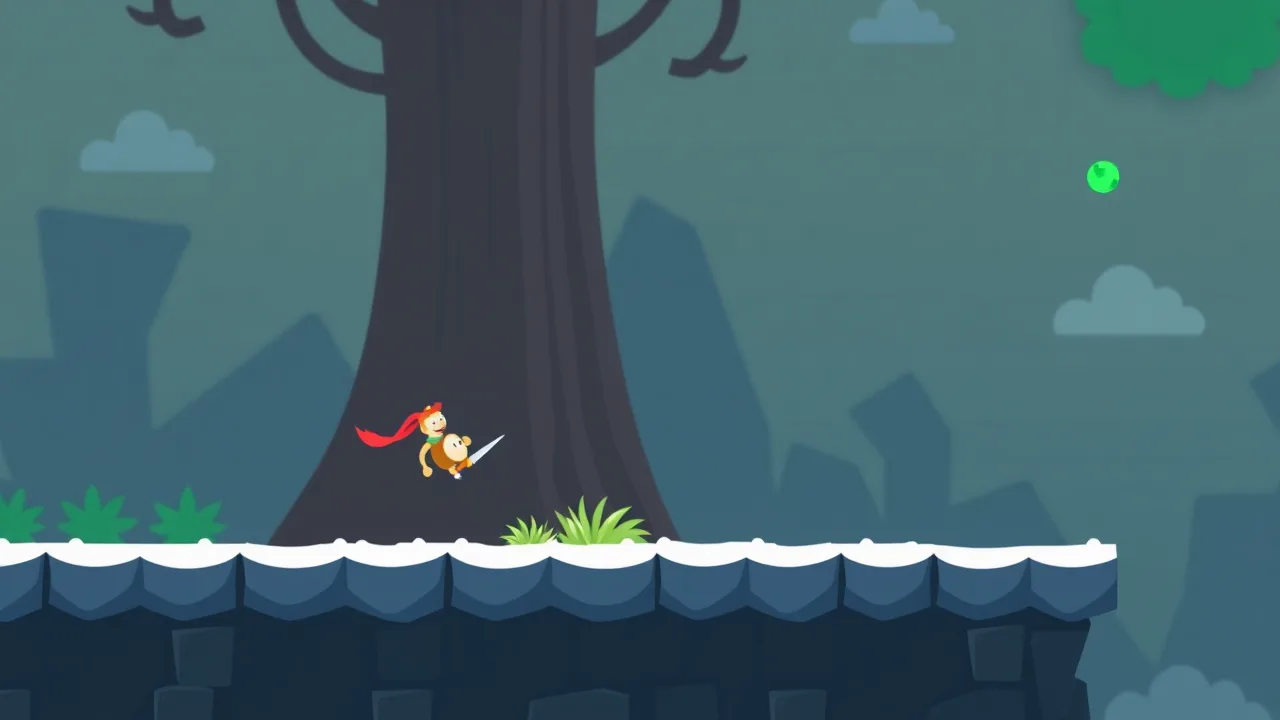
Most players bounce in the first ten seconds if a title can’t prove it’s worth the click. Good discovery solves that with clear thumbnails, short captions that say what the core verb is jump, steer, stack, dodge and small tags that help you filter by genre or mood. You’ll know in two seconds whether it’s a momentum runner or a logic grid. Menus should stay snappy, and the first tap or key press should launch you into the action. This is where solid curation matters: if a list is noisy or outdated, you’ll churn before you find anything worth keeping in your rotation.
Short sessions do not mean shallow design. Smart titles keep levels under a minute, but arrange them in themed arcs so you feel momentum. Difficulty should rise in gentle steps with one new rule every few stages, not a kitchen-sink dump. A clean HUD with readable icons beats text walls. Audio cues can whisper timing and danger without shouting. You want that elegant curve where your first clear is a celebration, and your second clear is faster by instinct, not grind.
Browser-first controls must scale from laptop keys to a fingertip. If you’re mapping keyboard, keep left-right-jump on the same row. If you’re mapping touch, use chunky buttons with a comfy dead zone so mis-taps don’t end a perfect run. Mouse-only puzzles should never ask for pixel-perfect clicks magnets, snap points, and forgiving hitboxes keep the flow. If the game supports a controller, great, but don’t punish players who show up with just a trackpad.
Every second of load costs you players. Compress textures, stream levels, and keep first payloads small so the core loop appears fast. Clever devs preload the next stage while you’re celebrating a win, then hide heavy loads behind visual transitions so the rhythm stays smooth. A tight 60 FPS on mid-tier hardware beats flashy effects that drop frames. Stability first, flex later.
None of these require long tutorials. The genre itself is the tutorial. You see a platform? You jump. You see a track? You steer. That familiarity is the secret sauce.
Ads support free play, but they should be predictable: one short ad between stages is fine, random mid-level interruptions are not. Mute toggles and volume sliders are non-negotiable. Pause must pause everything. If chat exists, it needs filters and reporting tools. Young players should not have to navigate a maze to find the X button. The more respectful the design, the more likely people will stay for a second and third session.
Zero installs and fast resume make these titles perfect when you’re on borrowed time or shared devices. You can play on a school Chromebook, step away, and return without losing the thread. Because levels are short, you can complete something meaningful in three minutes. That staves off the “one more run” spiral without feeling like you’re quitting early.
People often underestimate the brain training here. Micro-sessions improve reaction time, spatial awareness, and pattern recognition. The best titles surface one skill at a time timing a jump, reading enemy intent, optimizing a path then iterate with slight variations. This is textbook game literacy. If you want context on the broader medium, the entry on browser games lays out how web-based titles evolved from plug-in days to modern HTML5. It’s helpful background for understanding why everything now loads as fast as it does.
If you want a human-friendly starting point for exploration, hop to this tag hub. It’s organized so you can skim by mood or mechanic instead of guessing from vague titles. Scan the tiles, read a line or two, and you’ll know in seconds whether it’s your style for a quick break or a full commute.
Polish hides in the edges. A soft camera follow that doesn’t cause motion sickness. Hitboxes that feel fair. Checkpoints that respect your time. A level select that shows your best time and a small crown when you beat your personal record. Colorblind-friendly contrasts. Input buffers so late jumps still register within a few milliseconds. That attention to detail is why a tiny browser title can sit pinned on your start page for weeks.
A clean progression loop looks like this: clear a stage, earn a star, use stars to unlock a new set with a fresh rule. Optional challenges no damage, speed clear, hidden coin let advanced players flex while newcomers keep moving forward. Cosmetics are fine as long as they load instantly and don’t slow down the menu. Save data should persist in the browser and sync if the feature exists. Nothing kills momentum like losing your progress after an update.
Great browser titles assume you might be interrupted. Every encounter should end quickly. Every pause should be safe. If the tab goes inactive, mute automatically. If you return after a day, a micro-recap “you were on Stage 7: Spinning Platforms” gets you oriented without a tutorial rerun. These little kindnesses keep players coming back.
Here’s a pragmatic way to build a weekly lineup. Choose one reflex title for quick wins, one puzzle for calm focus, and one longer-form skill builder. Rotate when you feel plateaued. If a title asks for too much setup or loads too many menus, drop it from the rotation. You want games that respect you: fast, fair, and rewarding from the first input.
For fun: Does it make you smile in under ten seconds? Does the first level teach by doing? Can you improve your time without memorizing a maze?
For quality: Are the visuals readable at a glance? Do mistakes feel like your fault rather than the UI’s? Is the difficulty curve steady?
For performance: Does it maintain smooth frames on a mid-range laptop? Are loads short? Do inputs feel crisp even on touch?
Parents who want safe, short play sessions. Students with strict device policies. Commuters with five stops to kill. Anyone who craves a little challenge without a giant install. The model rewards respect for the player’s time, and that’s honestly what keeps the whole scene healthy.
What are the defining traits of poki.com games?
They load inside the browser, start fast, and teach through action. You can clear a level in a minute, then chase mastery if you’re in the zone.
Are they good on low-end devices?
Usually yes. Most titles prioritize small downloads and stable frame rates, which helps older laptops, school machines, and casual tablets.
Do I need an account?
Many titles save progress locally. Accounts can help with cloud sync, leaderboards, or cosmetics, but they’re rarely required to play.
How do I find the quality stuff?
Look for clear thumbnails, honest captions, and genres you already like. If the first ten seconds feel muddy, back out and try the next one.
Can kids play safely?
Yes, with the usual caveats. Prefer titles with predictable ad breaks, obvious mute controls, and simple menus. Sit nearby for younger kids and set a session timer.
Do these games work offline?
Some do after the first load, especially smaller puzzle titles. Many still require a connection for fresh levels, events, or saves across devices.
Why do people keep returning to poki.com games?
Because they combine low friction with real skill growth. You can improve quickly and see it in your times and scores.
Start with two genres you already enjoy so your brain can focus on mastering controls, not decoding rules. Run each for ten minutes, then switch. Keep a tiny list of favorites. If a title annoys you with long ads or unclear design, prune it. This should feel refreshing, not like homework.
There’s a reason people keep talking about poki.com games. The best ones deliver crisp controls, readable challenges, and that little spark of mastery you can feel after a single coffee break. Keep your rotation light, trust your taste, and don’t be shy about dropping anything that wastes your time. When a title respects you with fast loads and fair rules, you’ll feel it immediately and you’ll be back tomorrow for another run.