
they are coming unblocked
Popular Games
Last Played
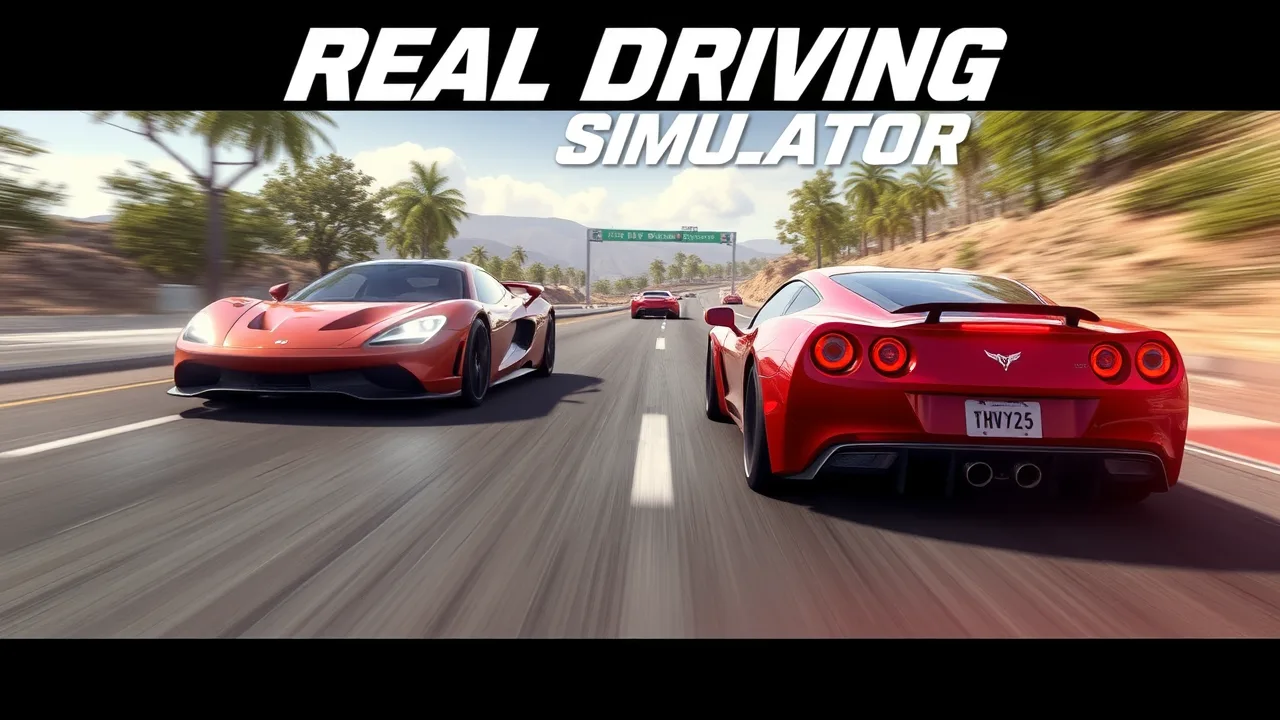
Real Driving Simulator offers an engaging blend of realistic physics and accessible controls that invite players to master the road. From tight urban corners to sweeping highways, this racing and simulation experience rewards precision and timing while keeping the action fast and fun.
Real Driving Simulator fits naturally here because players often want a quick path from reading to playing. The title, category, and tags already suggest the style and pace, so opening Real Driving Simulator is a simple way to see whether the gameplay matches that interest.
The simulation leans on responsive handling and believable vehicle behavior to create a sense of control that feels both grounded and exciting. Steering weight, braking distances, and acceleration curves are tuned so that each car has a distinct personality, encouraging you to adapt your driving style to match the situation. Whether you are navigating narrow streets or cruising on open roads, the physics emphasize traction and momentum, making every turn a small test of skill.
Visual feedback and sound design complement the handling to reinforce the feeling of speed and precision. Tire screeches, engine revs, and environmental cues help you judge grip and timing without relying on complex meters. This approach keeps the focus on the drive itself, letting you learn by doing and refine your technique through repetition and experimentation.
Getting comfortable with the controls is the first step toward consistent lap times and confident driving. The game offers straightforward steering, acceleration, and braking inputs, with the option to choose between touch-friendly controls or keyboard-based steering for desktop play. Start with gentle inputs and build up to sharper movements as you learn how each vehicle responds to throttle and brake.
Practice smooth transitions between acceleration and braking to maintain stability through corners. Aim to brake in a straight line before turning, then gently apply throttle as you exit. This technique reduces understeer and oversteer, keeping the car balanced and responsive. As you gain confidence, you can experiment with trail braking and late apexes to squeeze out extra speed without sacrificing control.
The game presents a variety of challenges that test different aspects of your driving skill. Early scenarios focus on basic maneuvers such as parking, lane changes, and emergency stops, while later stages introduce timed runs and precision routes that demand clean lines and consistent speed. These modes help you build muscle memory and situational awareness.
For players who enjoy a more relaxed pace, free-roam driving lets you explore the environment and learn the layout of the roads at your own speed. As you grow more comfortable, you can tackle competitive challenges that push you to minimize mistakes and maximize efficiency. This progression keeps the experience fresh and encourages continuous improvement.
A good racing line is about carrying speed smoothly through a corner. Approach from the outside, turn in toward the apex, and unwind the steering as you exit back to the outside. This path lengthens the curve and reduces the need for abrupt inputs, which helps preserve grip and momentum. Keep your eyes ahead to anticipate turns and adjust your speed early.
Timing is equally important. Brake early enough to settle the car before the turn, but not so early that you lose too much speed. Modulate your throttle on exit to avoid wheelspin, especially in powerful cars or on slick surfaces. Small adjustments in your timing can have a big impact on lap consistency and overall control.
Different vehicles behave in unique ways, and choosing the right one for the task can make a noticeable difference. Light cars tend to turn in quickly and feel nimble, while heavier models offer stability at the cost of agility. Front-wheel drive cars are forgiving and easy to handle, rear-wheel drive cars reward smooth inputs, and all-wheel drive provides strong traction in varied conditions.
Even without deep customization, you can adapt your approach to suit the car. Adjust your braking points, entry speeds, and throttle application to match the vehicle's characteristics. By learning the strengths and limits of each model, you can make smarter choices that fit the challenge at hand and improve your overall performance.
Smooth performance is essential for precise control, so it is worth adjusting the graphics and input settings to match your device. Lowering visual effects such as shadows and reflections can improve frame rate, which makes steering feel more responsive. If you are playing on a keyboard, consider tuning the sensitivity so that small movements do not result in sudden swerves.
For touch devices, experimenting with different control layouts can help you find a setup that feels natural. Some players prefer larger buttons for acceleration and braking, while others like a compact steering wheel. The goal is to minimize input delay and maintain comfort during longer sessions, which keeps your focus on the road.
Can I play without downloading anything? Yes, you can jump straight into the action through your browser by visiting the play link at Real Driving Simulator. There is no need to install extra software, which makes it easy to start driving right away.
Is this game suitable for beginners? Absolutely. The controls are straightforward, and the early challenges are designed to help new players learn the basics of steering, braking, and acceleration. As you improve, the game introduces more complex scenarios to keep you engaged.
What should I focus on to improve quickly? Concentrate on smooth inputs and consistent lines. Brake before the turn, steer with purpose, and apply throttle gently on exit. Practicing these fundamentals will build a strong foundation for faster and safer driving.
Does the game offer different vehicles? Yes, you will encounter a range of vehicles with distinct handling traits. Experimenting with different models helps you understand how weight distribution and drivetrain layout influence performance.
Are there tips for better control on a keyboard? Use light taps rather than long presses for steering and braking. This helps prevent overshooting turns and keeps the car stable. Adjusting sensitivity in the settings can also make the controls feel more precise.
How can I keep the experience smooth and responsive? Close other browser tabs, update your browser, and lower graphics settings if needed. A stable frame rate makes steering more accurate and helps you react quickly to changing conditions.


