they are coming unblocked
Popular Games
Last Played
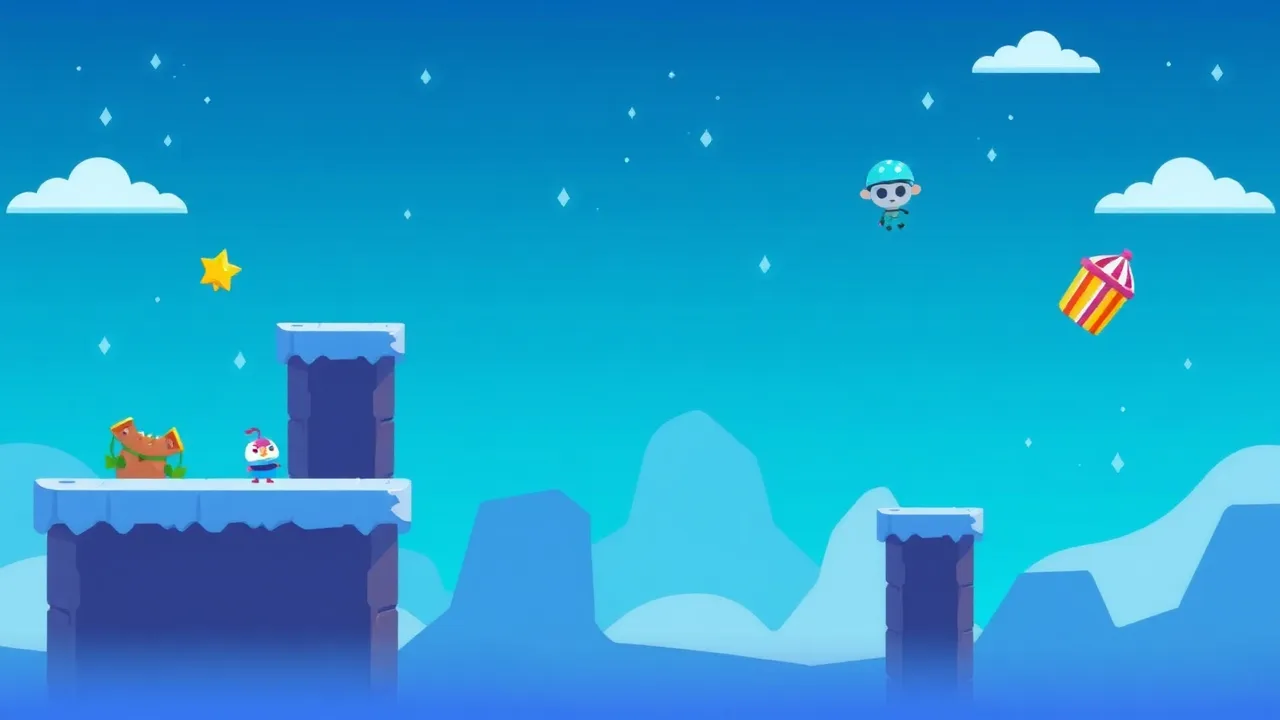
If you’ve got five spare minutes and a half-charged laptop, free game poki is the vibe: instant, browser-based play with a clean layout, forgiving load times, and enough genres to stop the scroll. The experience is dead simple by design — pick a category, tap Play, and you’re in — which is exactly why it works for study breaks, late-night slumps, or a few rounds on the sofa. For a Spanish entry point, drop in via Poki en Español and explore by categories or trending picks. If you’re new to this style of platform, it helps to know the bigger context too: the entire thing runs as a browser ecosystem of small, fast games designed for zero-install access. Here’s a primer on the concept of the modern browser game and why it caught on in schools and offices alike. Free access, fast boot, and controls you can learn in a single match — that’s the whole pitch.
Small housekeeping before we go deep: the best results come from two habits — treating each play session like a micro-goal (beat a time, unlock a cosmetic, finish a level) and favoriting the two or three categories you actually play. That way you stop window-shopping and start playing. Also, mobile works fine on most titles, but don’t judge a game by the first 20 seconds; many start slow on touch while the tutorial hints kick in.
Quick fact check for expectations: Poki’s public copy emphasizes instant play without downloads or logins, and cross-device support (desktop, tablet, phone). That’s exactly the pattern you’ll feel when hopping between categories and popular titles.
The homepage leans into curation and recency, but the real speedrun is learning the category grid. Platformers and 3D sections pull heavy traffic for a reason: they’re readable at a glance and scale from casual to sweaty fast. Open two categories you vibe with and ignore the rest for a week; decision fatigue steals more time than any loading screen. Inside a category, don’t chase only “Top” — browse “New” once per session. You’ll catch sleeper hits before they blow up and get shorter queues on multiplayer titles.
As you scroll, note how thumbnails carry 80 percent of the pitch (high-contrast character, readable action, no clutter). That’s not an accident; the platform actively coaches creators on thumbnail clarity because it directly affects click-through and session depth.
free game poki is built on tiny loops: jump in, master one mechanic, chase one objective. The design language across the library leans bright, readable, and forgiving — friction lives in the level, not in the UI. Most games front-load a single verb (jump, drift, slice, pass) and then remix difficulty by speed or layout. That’s ideal for “one more try” pacing. If you’ve ever found yourself riding the line between chill and competitive, this format is basically engineered for you.
If you only have ten minutes, run a three-game rotation: a warm-up platformer, a quick score chaser, then a puzzle palette cleanser. That pattern keeps your focus sharp without locking you into a grind.
Timing: Platformers, rhythm-lites, and obstacle courses all reward late jumps and early releases. Practice jumping after you feel like you should.
Camera reading: In 3D, look where the horizon line sits; low horizon means close hazards.
Lines vs arcs: Drift racers and runners both want smooth arcs, not zigzags. Tap, don’t hold.
Pattern recognition: Puzzlers repeat tells. When a level looks impossible, you missed a reveal three steps earlier.
Cooldown discipline: If a game has a special meter, hold it for when you force a mistake, not when you’re behind and tilted.
These five skills alone shave minutes off learning time and make new titles feel “familiar” even when the art style and rules change.
Platforms like this succeed when they reduce the number of broken experiences you touch. That’s why you’ll notice the average game controls cleanly and avoids weird UI traps. The internal quality notes emphasize polished presentation, responsive UX, and family-friendly framing. If a game makes the grid, odds are it already cleared a checklist that trims jank (stuttery menus, unreadable text, inconsistent input). That’s why you can bounce between ten random titles and rarely hit something unplayable.
3D Action: Great for instant “wow” and simple controls. Many titles boot you right into movement with a short runway to experiment.
Platform Games: Peak readability and generous checkpoints. Perfect for learning timing without rage-quitting.
Puzzles/Brain Teasers: Reset the brain between high-tempo games. Even a single level can feel satisfying.
Mix these in one session and you’ll get variety without re-learning entire control schemes each time.
Minute 0–2: Open Poki en Español and jump into a category you already know.
Minute 2–7: Chase one objective. For a runner, that’s “beat 60 seconds without crashing.” For a puzzler, that’s “clear a board with three moves left.”
Minute 7–12: Swap to a new release. Two tries only. If it doesn’t click, bounce — that’s the whole point of a browser library.
Minute 12–15: Finish with something cozy: a low-stakes platform hop, a hidden-object level, or a mini sports round. Leave on a win.
You’ll finish with a clean dopamine loop instead of a sunk-cost grind.
Display scale: Keep the browser at 100 percent zoom for crisp hitboxes.
Tab hygiene: One game tab. Extra tabs can lag audio and input on older hardware.
Keyboard vs touch: If a game offers both, keyboard usually wins on precision. Touch shines for swipes and lanes.
Audio focus: Click once on the play area to grant sound permission; browsers mute polite apps by default.
Save state expectations: Treat scores as ephemeral unless the game explicitly mentions cloud saving. Screenshot your PBs if they matter to you.
If your day toggles between Spanish and English, the localized portal helps keep copy, categories, and button labels consistent with what your brain expects at 11 a.m. on a Tuesday. It’s still the same fast-boot experience, just with labels and descriptions that feel at home. The result: fewer misclicks, less mental load, and smoother hand-offs if you’re sharing the device with family.
Use the “Similar” trail after finishing a level you liked. The second hop usually lands closer to your taste than the first guess.
Follow creators you click with. If a dev hits your sweet spot, their other games often share physics and pacing.
Weekly check-in: Pick one day to explore “New.” Make it a ritual. That way experimentation doesn’t steal every session.
Stutter or input delay: Close streaming tabs, kill heavy extensions, and try a Chromium-based browser if you’re on something niche.
Black screen: Hard refresh, then clear site data for the specific game page.
Controller mapping: If it’s not built in, don’t force it. Most titles feel better on keyboard or touch anyway.
Ad timing: Use intermissions to stretch and reset; the better you protect your focus, the better your runs go.
Fast-feel platformer: Teaches jump windows in 30 seconds, then raises the stakes.
3D chill drive: A wide road, easy drifts, good reset speed — perfect decompression.
Puzzle with a twist: Clear rules, one small mechanic that escalates beautifully.
These archetypes show why the format works: one verb, immediate feedback, short levels, and punchy session endings.
Create a simple rule: three attempts per game per session. If you don’t improve on one metric (time, score, level), rotate out. Toss your best run into a notes app with the game name and one sentence, like “lost focus on the third curve.” The act of writing a micro-note is enough to prime your next session for improvement without turning play into a spreadsheet.
Pick games where player one and player two don’t fight the keyboard layout. Agree on a set of keys before you start. Play first to three wins, then rotate. Keep the trash talk spicy but soft — the point is laughter, not litigation. If someone is clearly better, add a handicap like “must jump before every shot” or “no specials until overtime.”
What is free game poki in plain English?
It’s shorthand for a curated web library where you press Play and start immediately — no installs, no logins, just browser fun. The platform’s own copy highlights instant play and cross-device access, which tracks with day-to-day use.
Is it actually good on phones and Chromebooks?
For most titles, yes. Touch-friendly runners and puzzles feel natural on phones; precision platformers lean keyboard.
Do I need an account?
Not to play. Many games run fine without one; some might use local storage for settings or progress.
Can kids use it safely?
The curation leans family-friendly and avoids wild content, but you should still set boundaries at home and talk about screen time.
Why do thumbnails matter so much?
Because a strong thumbnail drives clicks and helps you recognize your favorites instantly when scrolling. Creators are explicitly coached to keep thumbnails clear and readable.
How do I find hidden gems?
Check the “New” lane once a week and follow devs whose physics you enjoy. Great games often hide behind tiny names.
What if a game lags on my old laptop?
Close heavy tabs, keep the browser at 100 percent zoom, and try windowed mode. If it’s still rough, pick 2D categories.
Is everything truly free?
You’ll see ads between sessions, which is how the ecosystem stays free. The trade-off is quick access.
If you build games yourself, the short version is simple: prioritize a crisp core loop, readable UI, and a thumbnail that communicates action + character in a single glance. The ecosystem rewards polish and clarity — which is exactly what the public guidelines and developer pages nudge you toward with quality checklists and distribution tools.